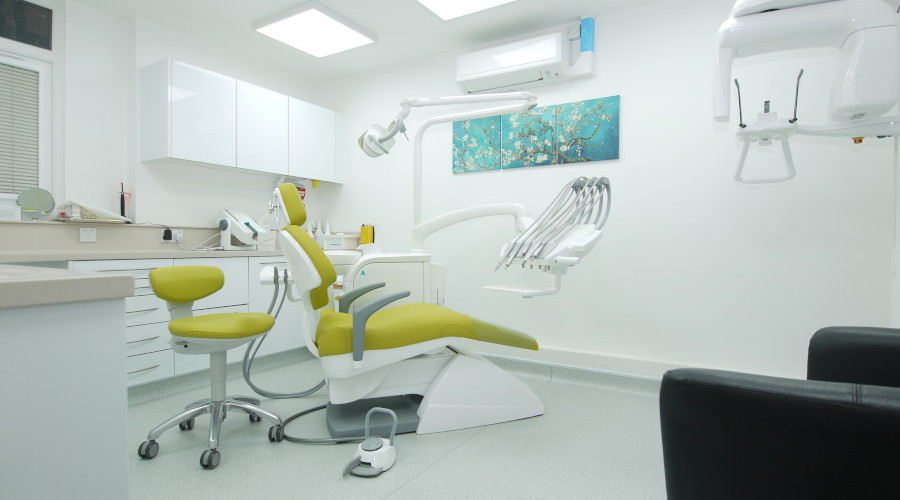
Expanding a dental practice involves more than adding treatment rooms or purchasing new equipment. It requires careful planning to create a space that supports efficient workflows, patient comfort, and long-term business growth. Every decision, from the placement of dental chairs to the organization of storage cabinets, can influence how smoothly the practice operates. A well-designed expansion should accommodate increasing patient demand while maintaining the quality of care that existing patients expect.
Whether a dental practice is expanding into additional space or renovating its current facility, selecting suitable equipment and developing a practical layout are essential steps toward creating a productive clinical environment.
Assessing the Current Practice Before Expanding
Before making structural changes, dental practice owners should evaluate their existing operations. Understanding current challenges helps identify which improvements will provide the greatest value.
For example, frequent scheduling delays may indicate insufficient treatment rooms, while crowded workstations could suggest inefficient equipment placement. Reviewing patient volume, appointment durations, staff movement, and available storage can reveal opportunities for improvement.
Practice owners should also consider future service offerings. Introducing additional treatments, hiring more dental professionals, or increasing patient capacity may require specialized equipment and flexible workspaces.
Dental equipment manufacturers such as DCI Edge offer solutions designed for modern dental operatories, including dental chairs, delivery systems, and cabinetry. Considering these equipment categories during the initial planning stage can help practices develop layouts that support clinical requirements and future expansion.
Designing a Layout That Supports Efficient Workflows
The physical arrangement of a dental practice directly influences daily operations. A poorly planned layout can create unnecessary movement, interrupt communication, and increase the time required to prepare treatment rooms.
Treatment areas should provide adequate space for dental professionals to work comfortably while allowing assistants to access instruments and supplies without difficulty.
Positioning frequently used equipment within convenient reach can reduce interruptions during procedures. Similarly, organizing sterilization areas, storage rooms, and patient preparation spaces according to workflow requirements can improve overall efficiency.
Clear pathways between reception areas, treatment rooms, and supporting facilities also help patients navigate the practice comfortably.
When developing the layout, practice owners should consider accessibility requirements, infection prevention procedures, and applicable building regulations.
Selecting Dental Chairs for Comfort and Functionality
Dental chairs are among the most important investments during a practice expansion. They influence patient positioning, practitioner posture, and the overall functionality of treatment rooms.
Modern dental chairs offer adjustable positioning, supportive cushioning, and ergonomic features that accommodate different procedures. Selecting chairs with appropriate height adjustments and positioning controls can help clinicians maintain comfortable working postures.
Patient comfort deserves equal attention. Supportive seating and smooth adjustments can contribute to a more pleasant treatment experience, particularly during lengthy appointments.
Practices should also evaluate equipment durability, maintenance requirements, and compatibility with existing delivery systems before purchasing new chairs.
Choosing Dental Equipment That Fits the Available Space
Adding more equipment does not automatically improve productivity. Each item should serve a practical purpose and fit comfortably within the available workspace.
Dental delivery systems, operating lights, instrument trays, and supporting equipment should be selected according to treatment requirements and room dimensions.
Compact equipment configurations may be particularly useful when expanding within an existing building where space is limited.
Equipment placement should allow dental professionals to move naturally between working positions without creating obstacles.
Standardizing essential equipment across treatment rooms can also simplify staff training, maintenance, and inventory management.
Improving Storage With Functional Dental Cabinetry
Storage planning is frequently overlooked during dental practice expansions. However, inadequate storage can quickly create clutter and disrupt clinical workflows.
Well-designed dental cabinetry provides dedicated spaces for instruments, disposable supplies, medications, and administrative materials.
Cabinets should be positioned to support convenient access while maintaining appropriate infection control practices. Frequently used supplies can be stored near treatment areas, while less commonly needed materials may be placed in centralized storage spaces.
Durable surfaces that are compatible with required cleaning and disinfection procedures can simplify routine maintenance.
Choosing modular cabinetry may also provide flexibility when treatment requirements or equipment configurations change.
Creating a Better Experience for Patients and Staff
A successful expansion should improve the environment for everyone using the facility. Patients benefit from comfortable waiting areas, accessible treatment rooms, clear navigation, and organized surroundings. Thoughtful lighting, appropriate ventilation, and reduced noise can contribute to a more welcoming atmosphere.
Dental professionals benefit from ergonomic workstations, accessible equipment, and sufficient space to perform procedures efficiently.
Staff facilities, consultation rooms, and administrative workspaces should also receive attention during planning.
A balanced design considers clinical performance alongside the physical comfort and practical needs of patients and employees.
Preparing the Practice for Future Growth
Dental practice expansion represents a significant financial commitment, making long-term planning essential.
Practice owners should develop realistic budgets covering equipment purchases, construction, installation, staff training, and ongoing maintenance.
Selecting adaptable equipment and flexible room configurations can help accommodate changing technologies and treatment requirements without extensive renovations.
Working with experienced dental equipment suppliers, designers, and qualified contractors can also help identify potential challenges before construction begins.
Conclusion
Planning a dental practice expansion requires a thoughtful combination of equipment selection, workspace organization, and future business considerations. Dental chairs, delivery systems, cabinetry, and room layouts should work together to support efficient treatment and patient comfort.
By evaluating existing challenges, prioritizing ergonomic design, and investing in adaptable equipment, dental practices can create functional environments that support sustainable growth while maintaining high standards of patient care.