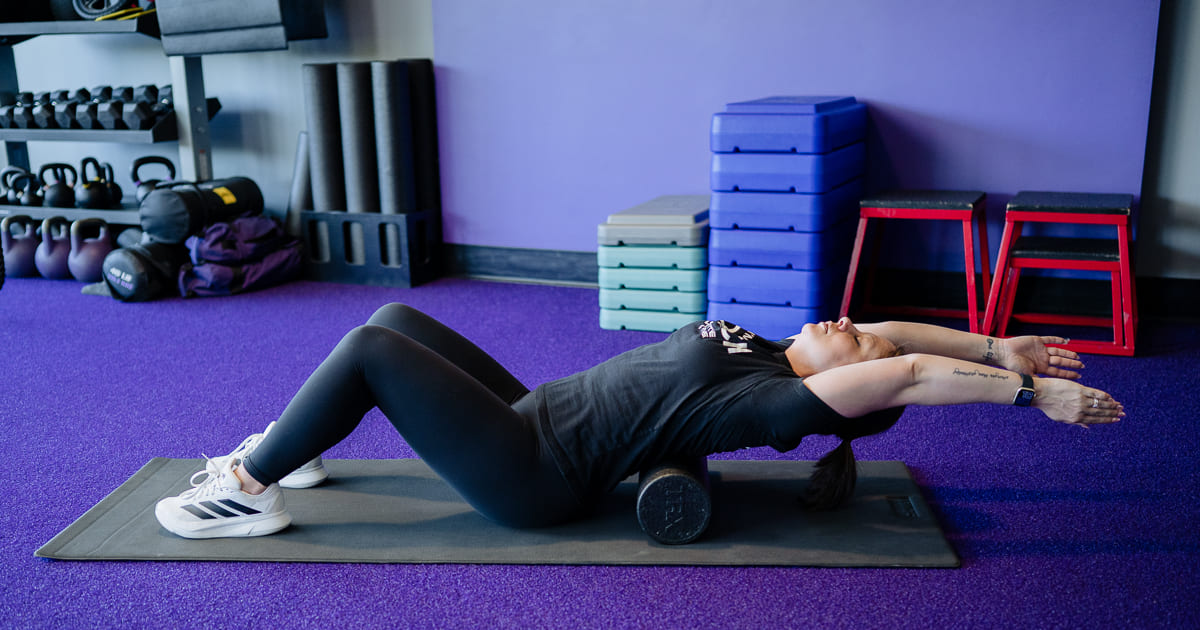
Daily mobility depends on more than being able to touch your toes. It involves moving comfortably through ordinary actions such as reaching overhead, turning the head, bending toward the floor, getting out of a chair, and walking without feeling restricted.
Stretching may improve flexibility and reduce the sensation of tightness, but technique matters. Forcing a joint beyond its comfortable range can irritate muscles, tendons, and other tissues. A useful mobility routine should feel controlled, gradual, and repeatable.
People exploring daily mobility routines should begin with the areas most affected by modern habits: the neck, shoulders, chest, hips, hamstrings, calves, and lower back.
Prepare the Body Before Stretching
Stretching cold muscles is not ideal. Begin with five to ten minutes of easy movement. Walk around the home, march gently in place, pedal a stationary bike, or perform slow arm circles.
The warm-up does not need to be intense. Its purpose is to raise the body’s temperature slightly and prepare the muscles for a larger range of motion.
During each stretch, move until mild tension is felt. Avoid bouncing or pushing through pain. Hold a comfortable position for about fifteen to thirty seconds while breathing normally. Repeat on both sides when appropriate.
People with recent injuries, joint replacements, osteoporosis, nerve symptoms, or balance problems should obtain professional advice before attempting unfamiliar stretches.
Neck Rotation for Easier Head Movement
Long periods spent looking at a monitor or phone may contribute to neck stiffness. A gentle neck rotation helps practice turning the head without twisting the shoulders.
Sit upright with the feet supported. Keep the chin level and slowly turn the head toward the right. Stop when a comfortable stretch is felt. Return to the center, then repeat toward the left.
Do not pull the head with the hand. The movement should remain active and controlled. A small range is acceptable, especially when the neck is stiff.
Stop if the exercise causes dizziness, shooting pain, numbness, or tingling into an arm.
Upper Trapezius Stretch for Shoulder Tension
The upper trapezius muscles run along the neck and shoulders. They often become tense during desk work, driving, or stressful periods.
Sit tall and allow the shoulders to relax. Tilt the right ear gently toward the right shoulder without lifting the shoulder. A mild stretch may be felt along the left side of the neck. Hold, return to the center, and switch sides.
For a slightly deeper stretch, the opposite hand may rest beneath the thigh. Avoid pressing heavily on the head.
Quality active stretching guidance should emphasize relaxation. Raising the shoulders or holding the breath can work against the purpose of the exercise.
Chest Stretch for Rounded Posture
Sitting with the arms forward can shorten the muscles across the chest and encourage the shoulders to round. A doorway stretch may help open the front of the upper body.
Stand in a doorway and place the forearms against the frame. Keep the elbows below or near shoulder height. Step forward slowly until a stretch is felt across the chest.
Do not allow the lower back to arch excessively. Keep the ribs controlled and the shoulders relaxed. People with shoulder pain may need to place the arms lower or use a different stretch.
Another option is to clasp the hands behind the back and gently move them away from the body. This should be avoided when it causes pinching in the shoulders.
Shoulder Cross-Body Stretch
The cross-body stretch targets the back of the shoulder. Bring one arm across the chest and support it with the opposite forearm. Draw the arm slightly closer without pressing directly on the elbow joint.
Keep the stretched shoulder down rather than allowing it to rise toward the ear. Hold the position, release, and repeat on the other side.
This stretch can be useful after desk work or upper-body exercise. It should not create a sharp sensation in the front or top of the shoulder.
Cat-Cow Movement for Spinal Mobility
Cat-cow is a gentle movement rather than a long static stretch. Begin on the hands and knees, with the hands beneath the shoulders and knees beneath the hips.
Slowly round the back toward the ceiling while allowing the head to follow naturally. Then reverse the movement by gently lowering the abdomen and lifting the chest. Keep the range comfortable.
Move with the breath and avoid forcing either position. Five to ten slow repetitions may be enough.
People who find kneeling uncomfortable can practice a seated version. Place the hands on the thighs, round the upper back, and then gently open the chest.
Child’s Pose Variation
From the hands and knees, move the hips slowly toward the heels while extending the arms forward. Stop at a comfortable point. The stretch may be felt through the back, shoulders, and hips.
A folded towel or cushion can be placed beneath the knees or between the hips and heels. Keep the knees wider if that feels better for the hips.
This position is not suitable for everyone. Knee pain, dizziness, pregnancy, or certain hip conditions may require a different movement.
Hip-Flexor Stretch for People Who Sit Often
The hip flexors can feel tight after prolonged sitting. Begin in a half-kneeling position with one knee on a padded surface and the opposite foot in front.
Keep the torso tall. Gently tuck the pelvis and shift forward slightly until a stretch is felt at the front of the hip on the kneeling side. Avoid arching the lower back.
People who cannot kneel can perform a standing version. Step one foot backward, bend the front knee slightly, and keep both feet facing forward.
Healthy muscle recovery support involves addressing tightness without treating every sensation as something that must be pushed away aggressively.
Seated Hamstring Stretch
Sit near the front of a sturdy chair. Extend one leg with the heel resting on the floor and the toes pointing upward. Keep the other foot planted.
Maintain a long spine and lean forward from the hips. Do not collapse the chest or round deeply through the lower back. A stretch should be felt along the back of the extended thigh.
Hold gently, then switch legs. Flexibility varies widely, so the forward movement may be small.
Figure-Four Hip Stretch
Sit on a stable chair with both feet on the floor. Place the right ankle over the left thigh, creating a figure-four shape. Keep the right foot gently flexed.
Sit tall and lean forward slightly until a stretch is felt through the outer hip or buttock. Avoid pressing strongly on the raised knee.
Repeat on the opposite side. This movement may not be suitable after certain hip surgeries or when it causes groin pain.
Standing Calf Stretch
Face a wall and place both hands against it. Step one foot backward and keep the heel on the floor. Bend the front knee while keeping the back leg straight.
The back foot should point mostly forward. A stretch should be felt in the calf of the rear leg. Hold, then change sides.
To target a slightly different part of the calf, bend the back knee gently while keeping the heel down.
Calf mobility can support walking, stair climbing, and ankle movement. Supportive shoes and controlled positioning make the stretch safer.
Ankle Circles and Toe Movement
Mobility work does not always require a deep stretch. Sit in a chair and lift one foot slightly from the floor. Draw slow circles with the toes in both directions.
Next, point the toes away and then draw them toward the shin. Perform the movement without rushing.
These exercises can be helpful after long periods of sitting. However, sudden calf swelling, warmth, redness, or unexplained pain requires medical attention rather than stretching.
Build a Routine You Can Maintain
A ten-minute routine completed regularly may be more useful than an hour-long session performed occasionally. Choose five or six movements that address personal areas of stiffness.
Morning stretching may help some people feel ready for the day, while evening stretching may feel more relaxing. Short movement breaks during work can prevent tension from building for hours.
Use healthy movement ideas as a starting point, but adjust the routine according to your body. Flexibility changes gradually. Pushing harder does not guarantee faster progress.
Stretching should create a feeling of mild tension, not fear or pain. Stop when symptoms become sharp, travel down an arm or leg, or remain worse after the session. Better daily mobility grows from patience, warm muscles, controlled breathing, and movements that can be repeated comfortably.