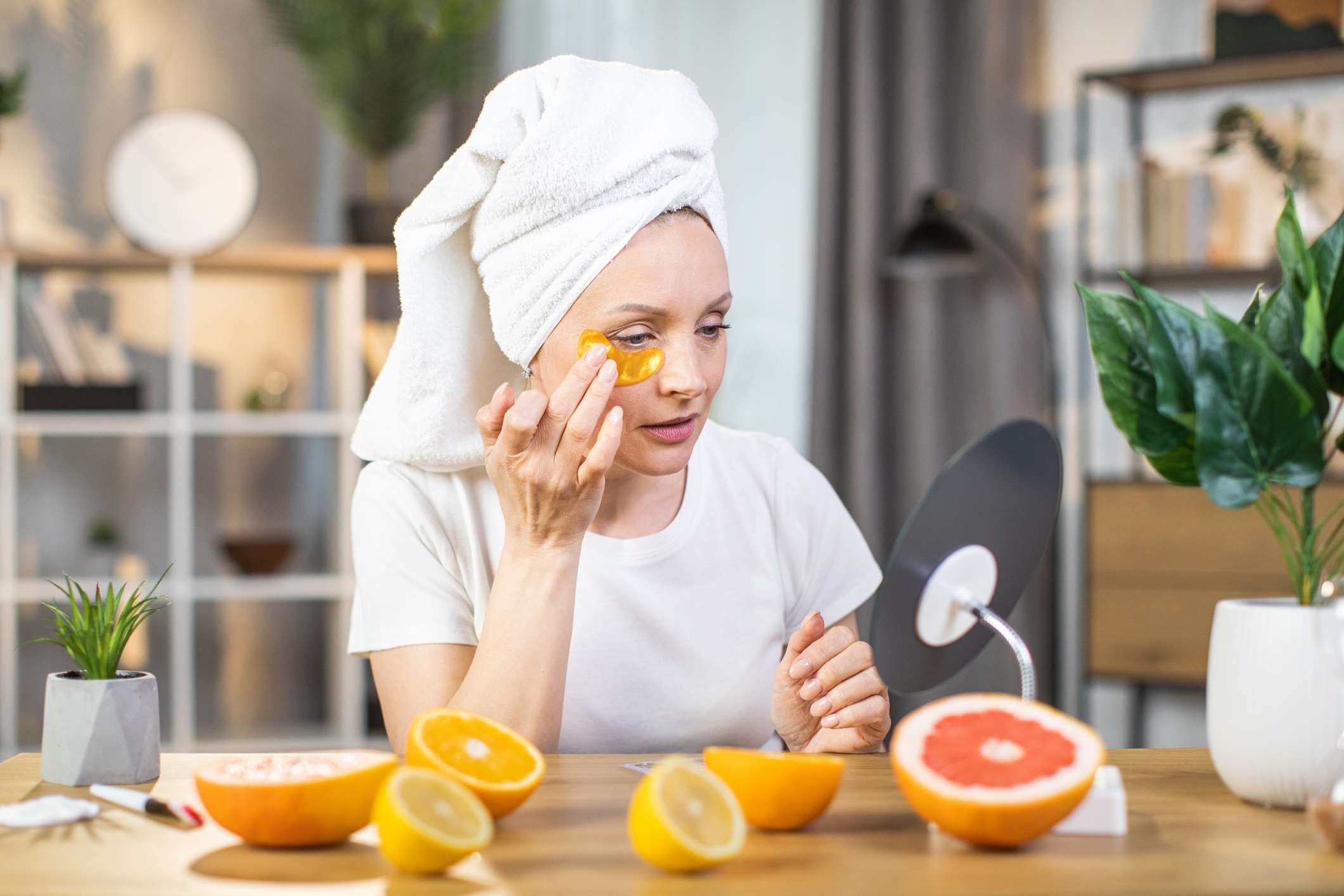
Food can support normal skin function, but no single meal can guarantee a clear complexion. Skin appearance is shaped by genetics, hormones, sleep, stress, sun exposure, medical conditions, skincare habits, and overall nutrition. Diet is one useful part of that larger picture.
The best foods for clearer healthier looking skin are ordinary foods that provide protein, healthy fats, vitamins, minerals, fiber, and steady energy. A balanced pattern is more helpful than drinking an expensive powder or removing entire food groups without a medical reason.
Start With a Balanced Plate
Skin continuously renews itself, which means the body needs a steady supply of nutrients. Protein provides amino acids used throughout the body, including in tissues related to skin structure and repair.
Eggs, fish, poultry, beans, lentils, tofu, yogurt, and nuts are practical sources. You do not need to eat all of them. Choose options that suit your culture, budget, dietary needs, and access to food.
Colorful vegetables and fruits supply a range of plant compounds and vitamins. Bell peppers, berries, citrus fruit, tomatoes, carrots, leafy vegetables, sweet potatoes, and broccoli can all fit into a skin-supportive eating pattern.
A whole-body wellness perspective is useful here because skin should not be separated from digestion, sleep, energy levels, and general health.
Build meals around balance rather than perfection. A simple lunch might include grilled chicken or beans, brown rice, mixed vegetables, and fruit. That plate offers more nutritional value than a “beauty snack” marketed around one fashionable ingredient.
Include Healthy Fats and Quality Protein
Fats are often treated as something to avoid, yet the body needs them. Foods containing unsaturated fats can support a balanced diet and make meals more satisfying.
Salmon, sardines, walnuts, chia seeds, flaxseed, avocado, and olive oil are common choices. Fatty fish also provides omega-3 fatty acids. People who do not eat fish can include seeds, nuts, and other plant sources while discussing individual nutritional needs with a qualified professional.
Protein intake matters as well. Hair, nails, muscles, enzymes, and many body processes depend on adequate protein. Extremely restrictive eating can leave people short of energy and important nutrients, even when the diet appears “clean” online.
Use sensible nutrition steps instead of chasing rapid dietary changes. Adding a protein source to breakfast or preparing vegetables for several meals is more realistic than adopting a strict plan you cannot maintain.
Cooking methods also matter. Fried food does not need to be banned, but relying heavily on ultra-processed meals can crowd out nutrient-rich choices. Roasting, steaming, grilling, baking, or lightly sautéing foods gives you more variety.
Choose Carbohydrates With Better Staying Power
Carbohydrates are not automatically harmful to skin. The type, portion, and wider meal pattern matter more than fear-based labels.
Whole grains, beans, fruit, starchy vegetables, and lentils provide carbohydrates alongside fiber and other nutrients. They generally keep meals more satisfying than sweets, sugary drinks, or highly refined snack foods eaten alone.
Some people notice that certain dietary patterns appear connected with breakouts, but personal observations should be tested carefully. Acne can improve or worsen for many reasons at once. A stressful week, menstrual cycle, new cosmetic product, medication change, or humid weather may be responsible.
Keep a simple food and skin diary before removing a major food group. Record meals, breakouts, sleep, stress, and skincare changes. Look for repeated patterns over time rather than blaming the last food you ate.
A carefully balanced health approach can help prevent unnecessary restrictions that make eating stressful or nutritionally weak.
If you suspect a specific food causes hives, swelling, digestive symptoms, or another immediate reaction, seek medical advice. That situation is different from ordinary acne and may need proper allergy assessment.
Drink Enough Without Chasing Excess
Water supports normal body function, but drinking huge amounts will not erase pores or cure acne. Hydration needs differ according to body size, weather, exercise, pregnancy, illness, and other factors.
Drink regularly and pay attention to thirst, activity, and urine color. Water, milk, unsweetened tea, soups, and water-rich foods can all contribute to fluid intake. People with kidney, heart, or other medical conditions may need personalized advice.
Sugary drinks can add large amounts of sugar without providing much fullness. Replacing some soda or sweetened coffee drinks with water is a practical change, though an occasional sweet drink does not ruin your skin.
Alcohol may contribute to dehydration, flushing, poor sleep, and food choices that leave you feeling worse the next morning. Reducing intake can support general wellbeing even when skin is not the main goal.
Support the Gut Without Buying Into Hype
The digestive system and skin interact through many biological processes, but online claims often move far ahead of clear evidence. You do not need a costly “detox” to support digestion.
Fiber-rich foods feed a diverse digestive environment and help regular bowel function. Beans, oats, whole grains, vegetables, fruit, nuts, and seeds are useful sources. Increase fiber gradually and drink adequate fluids to reduce discomfort.
Fermented foods such as yogurt, kefir, kimchi, and sauerkraut can add variety, though they are not required for healthy skin. Choose products that fit your diet and do not aggravate existing digestive conditions.
A routine built around steady mind-and-body habits also matters. Stress and poor sleep can influence eating patterns, skin picking, inflammation, and how consistently you care for yourself.
Be Careful With Supplements
Supplements are not automatically safer because they are labeled natural. High doses of certain nutrients can cause side effects, interact with medication, or create imbalances.
Biotin is heavily marketed for hair, skin, and nails, but taking more is not always helpful. Some supplements may interfere with laboratory testing. Tell your healthcare provider about every vitamin, powder, gummy, or herbal product you use.
Food-first nutrition is a sensible starting point for most people. Supplements may be appropriate when a clinician identifies a deficiency, restrictive diet, absorption problem, pregnancy-related need, or another clear reason.
Conclusion
Healthy-looking skin is rarely created by one “superfood.” It is better supported by regular meals containing vegetables, fruit, protein, healthy fats, fiber-rich carbohydrates, and enough fluids.
The best foods for clearer healthier looking skin are the foods you can eat consistently without fear, extreme rules, or financial strain. Observe personal triggers carefully, but avoid blaming every breakout on your diet.
Give your eating habits time to work alongside gentle skincare, sun protection, movement, sleep, and medical treatment when needed. Skin often responds better to steady care than dramatic promises.